Read the full handbook, free.

The introduction to the Agmax Milk Quality Handbook is free for everyone. Enter your name and email once to read the rest. We'll remember you in this browser, so you won't be asked again.

Read the free introduction first

We collect your name and email to give you access to the handbook chapters and may send you relevant updates. We use trusted service providers to manage all data communications. For more details, please see our Privacy Policy.

Loading...
No results

Chapter 4

What makes a dairy plant wash actually work?

Handbook

What makes a dairy plant wash actually work?

Effective cleaning relies on four factors working together: mechanical action, contact time, temperature and chemicals. Understanding how they work helps you identify what needs attention in your system, rather than simply adding more detergent. The right balance helps you clean effectively and avoid unnecessary waste.

Cleaning Factor % of Performance

Mechanical Action 40%

Contact Time 25%

Chemicals 20%

Temperature 15%

How does water flow do most of the cleaning?

Cleaning relies on the scrubbing power of moving water. The faster and more turbulent it is, the better it scrubs off grime.

  • Jetters must be flowing properly. Blocked ones = dirty liners.

  • No air leaks. This will reduce slugging and flow.

  • Add-ons like flushing pulsators and comets can boost performance, but only if they're set up right.

Mechanical action does about ~40% of the total clean. If your plant design or flow rates are poor, your whole routine suffers.

How long does a wash need to recirculate?

Unfortunately, majority of cleaning routines don't allow nearly enough contact time between detergent and dirt. Invest the time, save the grade.

  • 2 minutes of contact = ~15% clean

  • 4 minutes = ~50% clean

  • 6 minutes = ~90%

  • 8 minutes = ~100% clean

But most farm systems? They're giving you 60 to 90 seconds. That's not a wash, that's a waste.

Target at least 8 minutes of recirculation time if you want the best results.  

What temperature should your wash water be?

Heat melts fat and fuels chemistry. Most alkali detergents need heat to work. Fat melts at around 48°C, so we aim to stay above 55° C during the wash. 

Here's your temperature playbook:

  • Start temp: 85°C going into the tub

  • Dump temp: 55°C minimum

  • That gives you a 30°C working zone for effective cleaning.

If your temp drops below 55°C mid-wash, fats can re-stick to the surface. That's what causes protein deposits and grades.

Want to reduce temp drop? Preheat your plant by dumping the first 50-100L of hot water before returning flow to the tub.

How much does the detergent actually matter?

Yes, chemicals matter. Using the right ones, with the right dose, at the right time matters even more. But they only contribute about 20% of the clean. If you're pouring more in to compensate for poor time or mechanical action, you're throwing your money down the drain.

• Alkali detergents break down fat and protein (but only in hot water).

• Acid detergents remove minerals and leave a sanitising residue.

And remember, chemicals don't fix poor contact time, blocked jetters, or a 45°C wash.

Products for this chapter

Alkali detergent

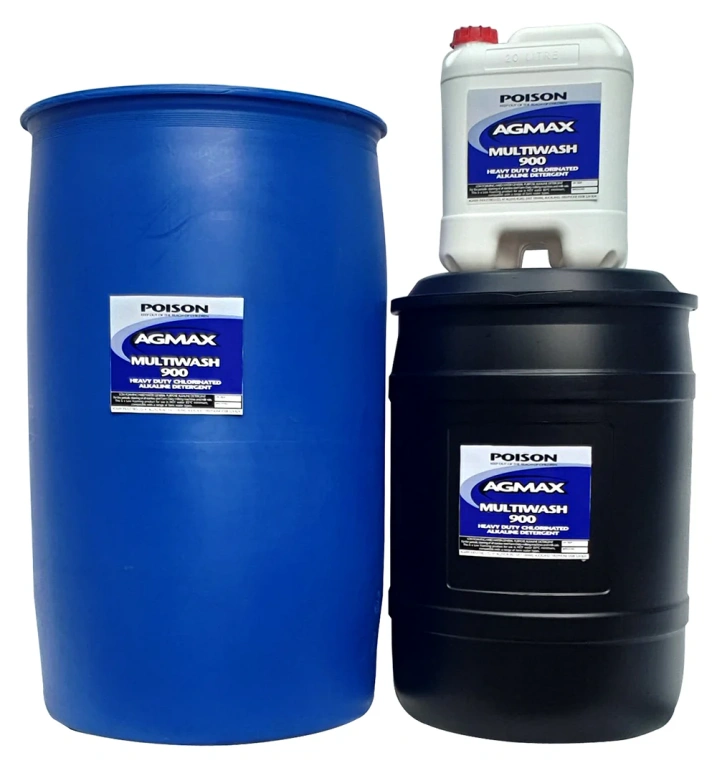
Use it for your hot washes. It breaks down fat and protein. Choose pre-measured sachets, loose powder or Multiwash 900 liquid.
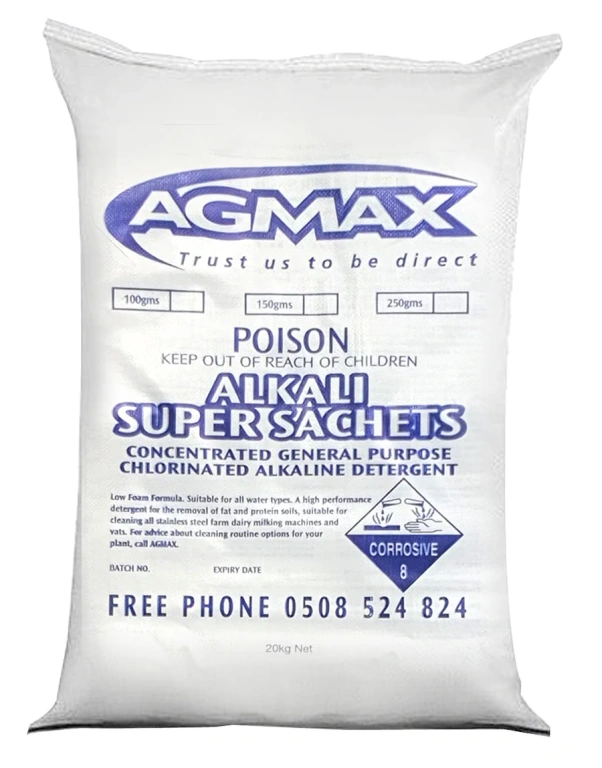
Alkali Sachets
Alkali Sachets
  • 20kg (100g) $172.17
  • 20kg (150g) $172.17
  • 20kg (250g) $172.17

Acid detergent

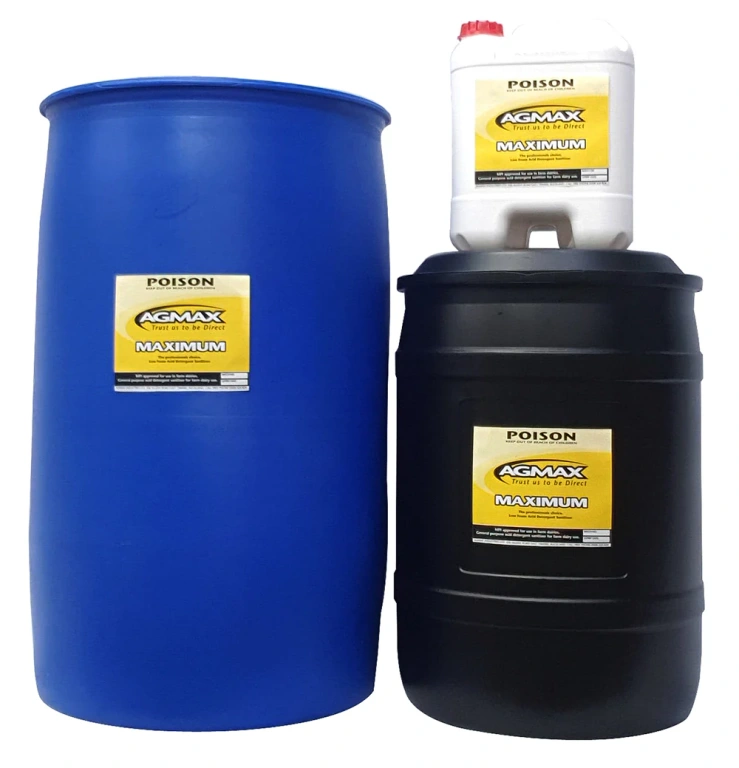
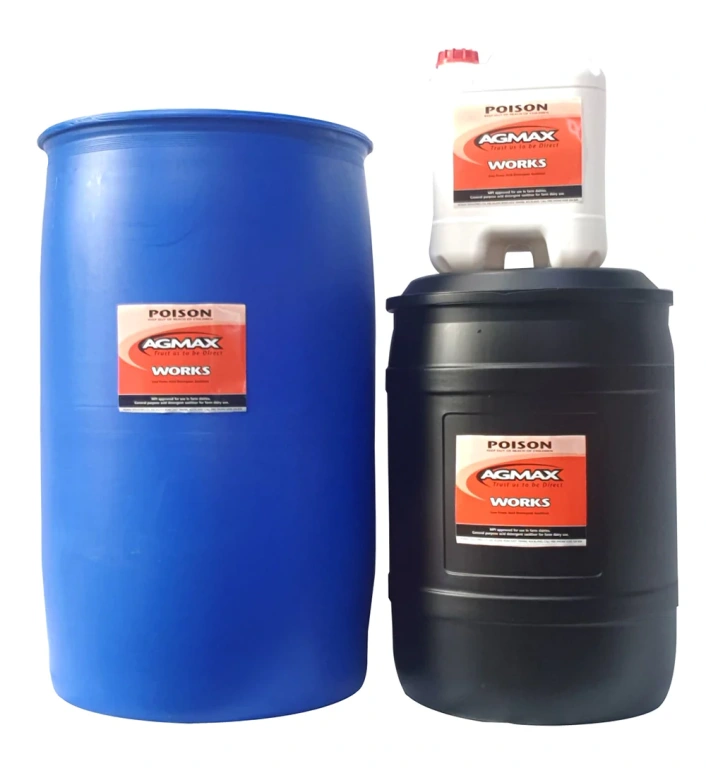
Use it for the wash after every alkali wash. Choose Acid Sachets, Maximum Acid or Works Acid. All three are low foaming and MPI approved.
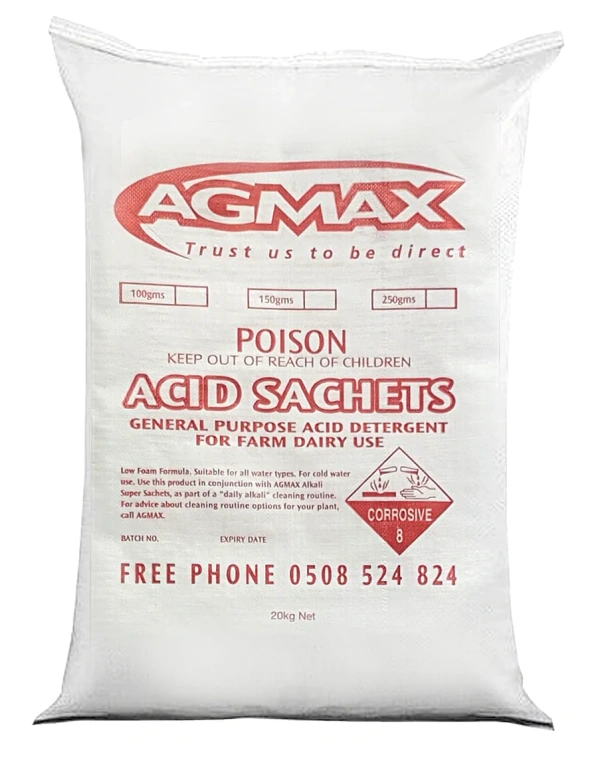
Acid Sachets
Acid Sachets
  • 20kg (100g) $160.70
  • 20kg (150g) $160.70
  • 20kg (250g) $160.70
Maximum Acid Detergent Sanitiser
Maximum Acid Detergent Sani...
  • 20lt $146.35
  • 100lt $638.00
  • 200lt $1,092.35
  • 1000lts $4,734.78
Works Acid Detergent Sanitiser
  • 20lt $122.43
  • 100lt $376.87
  • 200lt $644.70
  • 1000lt $3,060.87

Grades that lead here

Max the Grade Guru links these results to this chapter.